About
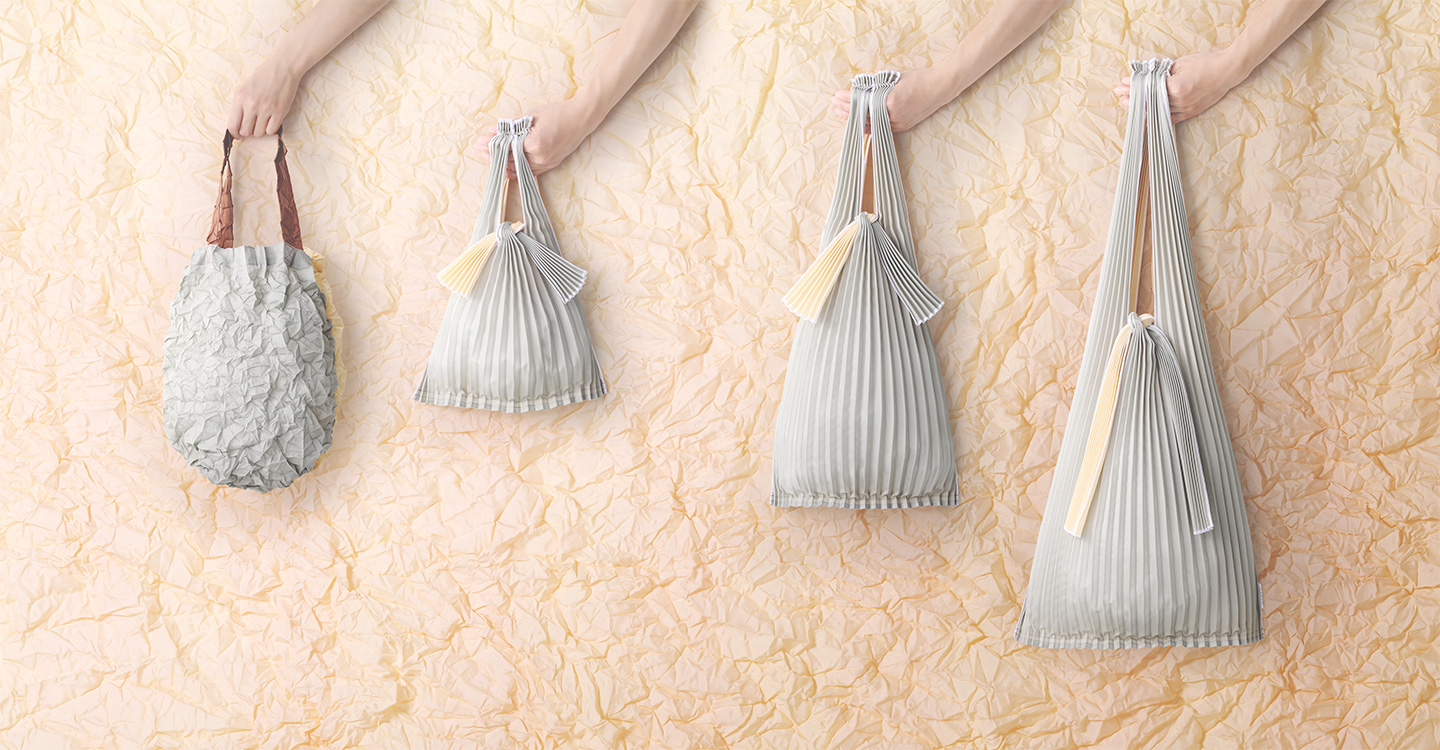
PLECO bags are made with two eco friendly fabrics. One is plant-origin “polylactic acid(PLA)” which naturally decomposes into soil and is non-toxic when burned. The other is “recycled polyester(recycled PET)” which enables various textile expressions. We set the Japanese traditional mild-toned colors which help the bags fit well with various people and situations. Multiple sizes and forms also enable both kids and adults to carry.
An apron “plon” lifts your mood in your daily routine coming in 4 colors
that fit your skin tone.
About our materials
PLECO bags are made with two fabrics. One is plant-origin “polylactic acid(PLA)” which naturally decomposes into soil and is non-toxic when burned, the other is “recycled polyester(recycled PET)”. Whole materials of PLA bags including the care labels, threads and tags are plant-origin which return to soil. Therefore, they are biodegradable and deteriorate over time.
Generally, the bags become unusable in about a year for heavy users, 2 to 4 years for those who use them sometimes, 5 to 6 years without using. But please note this is a guide. The usable duration varies in environments and situations. When the decomposition starts, the bags tear easily. Please stop using them once they start getting torn. Please visit “how to care” for further information about PLA and pleated items care. We are producing particular color items with recycled PET such as red and black which is not available with PLA. Please note that PET items do not return to soil.
Polylactic acid fibers
Since polylactic acid is a material derived from corn, it is naturally decomposed by bacteria in the soil and becomes carbon dioxide and water when burned, which is earth-friendly for you to handle as kitchen garbage. Also it has a particle of antibacterial activity. From the perspective of the life cycle assessment(LCA) considering the environmental effects from production to disposal, polylactic acid(PLA) fibers use low digestible energy during production whose environmental impact is very low. On the other hand, they have delicate aspect that they are decomposed and torn by placing them in high heat and humidity. The durability of the bag depends on each situation and environment of users, which we cannot tell you exactly how many years you can keep it for. All the notes on the usage we would like you to understand are on the “how to care”. Please ensure that you have read them before using.
How to Care

Do not store for too long without use

Hand wash

Maximum water temperature 30℃

Do not bleach

Do not iron

Do not tumble dry

Dry flat

Dry in the shade
- Pleats are not permanent. To maintain pleats and prevent them from spreading, empty the bag after use and leave it somewhere flat like a table top.
- When washing, use neutral detergent and hand wash.
- The material is not resistant to heat. Do not iron or tumble dry the bag.
- Do not store in a place with high tempera-ture, such as a hot car.
- Deterioration of the material due to bio-degradation can be accelerated by particular conditions of usage or storage. If any deterioration is found, stop using the bag.